

Many people suffer from chronic discomfort in their jaw, often linked to stress, teeth grinding, or clenching. If you find yourself waking up with a stiff jaw or experiencing persistent facial tension, you are not alone. Our Shoreham-on-Sea dental practice offers comprehensive assessments to help identify the cause of your discomfort and discuss the most suitable management plan for you.
If you are struggling with persistent discomfort, please don’t suffer in silence. We encourage you to book a consultation with our dentists to explore your options.
Book a consultation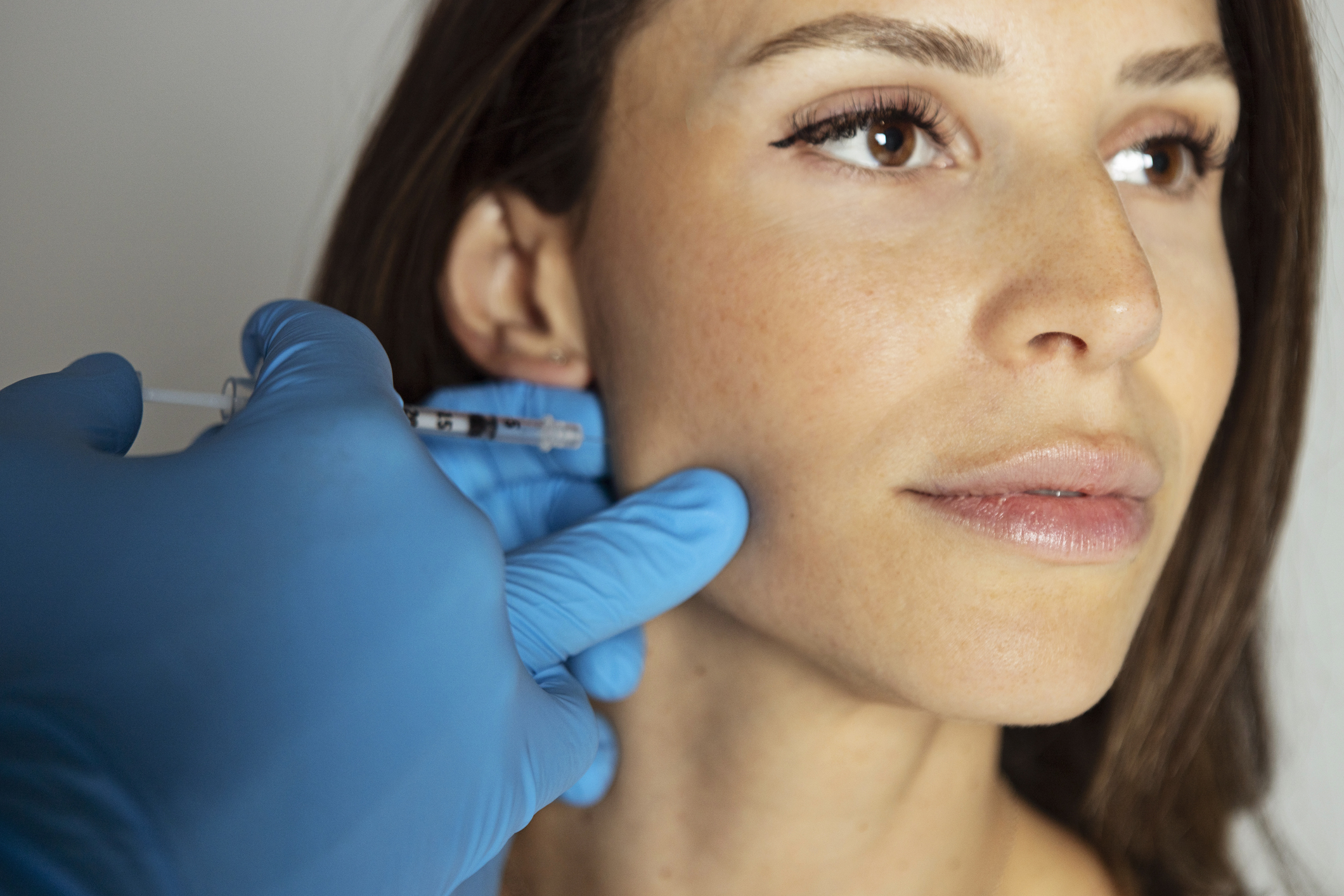
Bruxism (the involuntary grinding or clenching of teeth) and Temporomandibular Joint (TMJ) disorders can cause a range of debilitating symptoms, including:
For many patients in Shoreham-on-Sea, Botox® for bruxism has become a recognised therapeutic option. While many know this treatment for its cosmetic uses, its ability to relax overactive muscles makes it a valuable tool in dental care. When conservative methods like mouthguards (splints) aren't enough, we may discuss the use of therapeutic injections as part of your treatment plan.
Book a consultation
Botox® (Botulinum Toxin) is a purified protein that acts as a muscle relaxant. When used for jaw pain, it is injected into the masseter, the large muscle that moves your jaw.
The treatment works by temporarily blocking the nerve signals that tell the muscle to contract with extreme force. This doesn't stop you from eating or speaking normally, but it does reduce the intensity of involuntary clenching and grinding. By allowing the jaw muscles to rest, the cycle of tension and pain is broken, giving your jaw joint and teeth the protection they need.
Contact us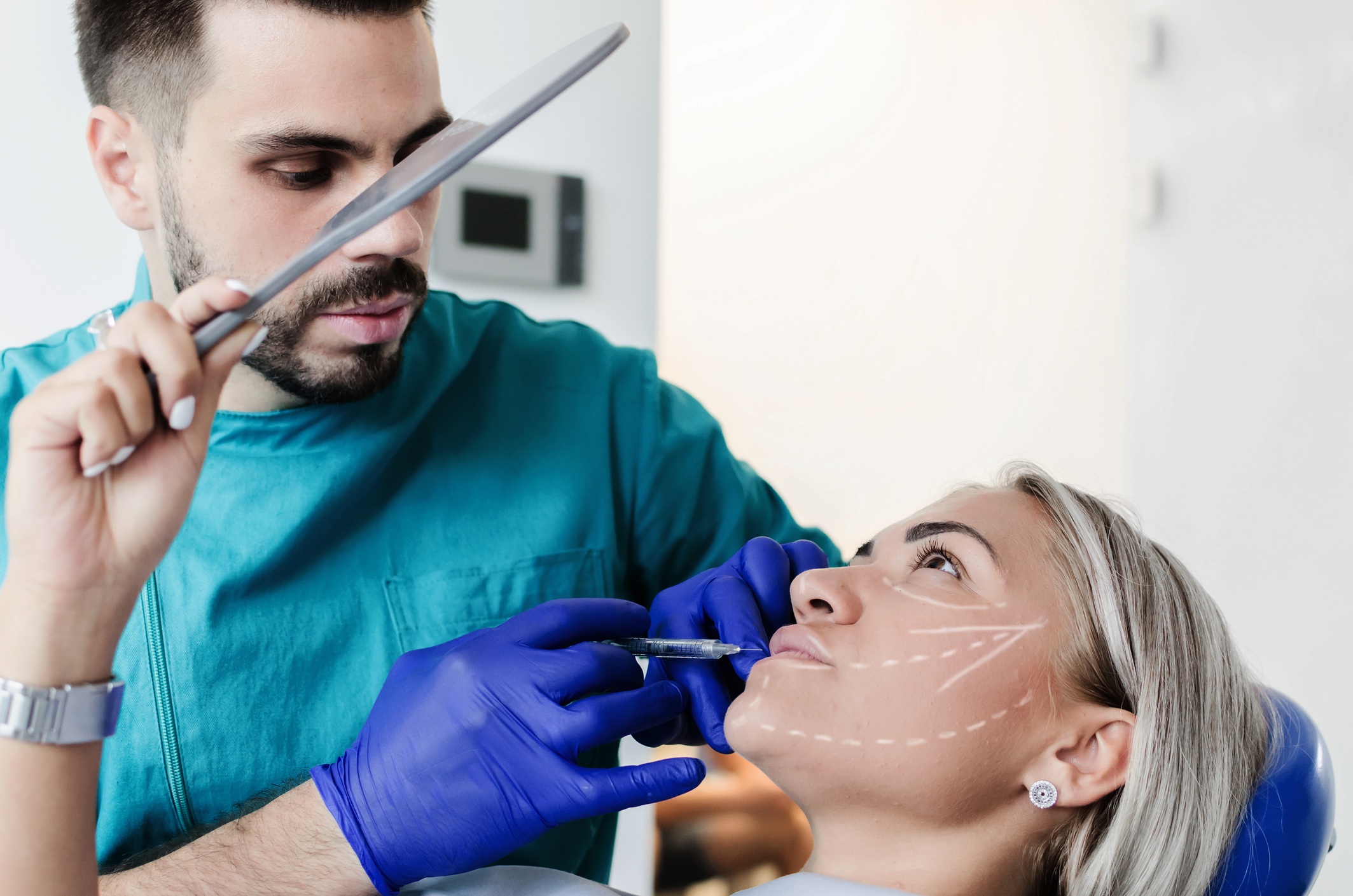
Choosing to address jaw tension can lead to significant improvements in your daily quality of life. Potential benefits include:
Reduced discomfort: A noticeable reduction in jaw ache, facial pain, and tension headaches.
Dental protection: By reducing the force of grinding, you protect your natural teeth and dental work (like crowns and fillings) from breaking.
Improved sleep: Many patients find they wake up feeling more refreshed when their jaw isn't clenching through the night.
Facial slimming: In cases where bruxism has caused the jaw muscles to become bulky, the treatment can help soften the jawline for a more relaxed appearance.
Every patient is unique, which is why a one-to-one consultation with our dentist is essential to determine the best approach for your specific symptoms.
Book a consultation
At The Dental Practice Shoreham, we have an experienced team on hand to answer any questions you may have. Our process is designed to be comfortable, professional, and stress-free. Here is what you can expect during your visit.
Step 1 - The consultation: Your journey begins with a thorough clinical examination. Our dentist will assess your jaw movement, check for signs of tooth wear, and discuss your medical history to ensure the treatment is safe for you.
Step 2 - The procedure: The treatment itself is quick, typically taking about 15–20 minutes. A very fine needle is used to deliver the injections directly into the masseter muscles. Most patients describe the sensation as a small pinch.
Step 3 - Recovery: There is no "downtime." You can return to your normal activities immediately, though we advise against rubbing the area or performing strenuous exercise for 24 hours.
Step 4 - Results: You may begin to feel the muscles softening within a few days, with the full therapeutic effects usually felt after 1 to 2 weeks. The relief typically lasts between 3 and 6 months.
Don't let jaw pain impact your life. Contact us today to book a consultation with our dentist at our Shoreham-on-Sea practice to discuss how we can help you manage jaw pain, bruxism, and TMJ effectively.
Book a consultation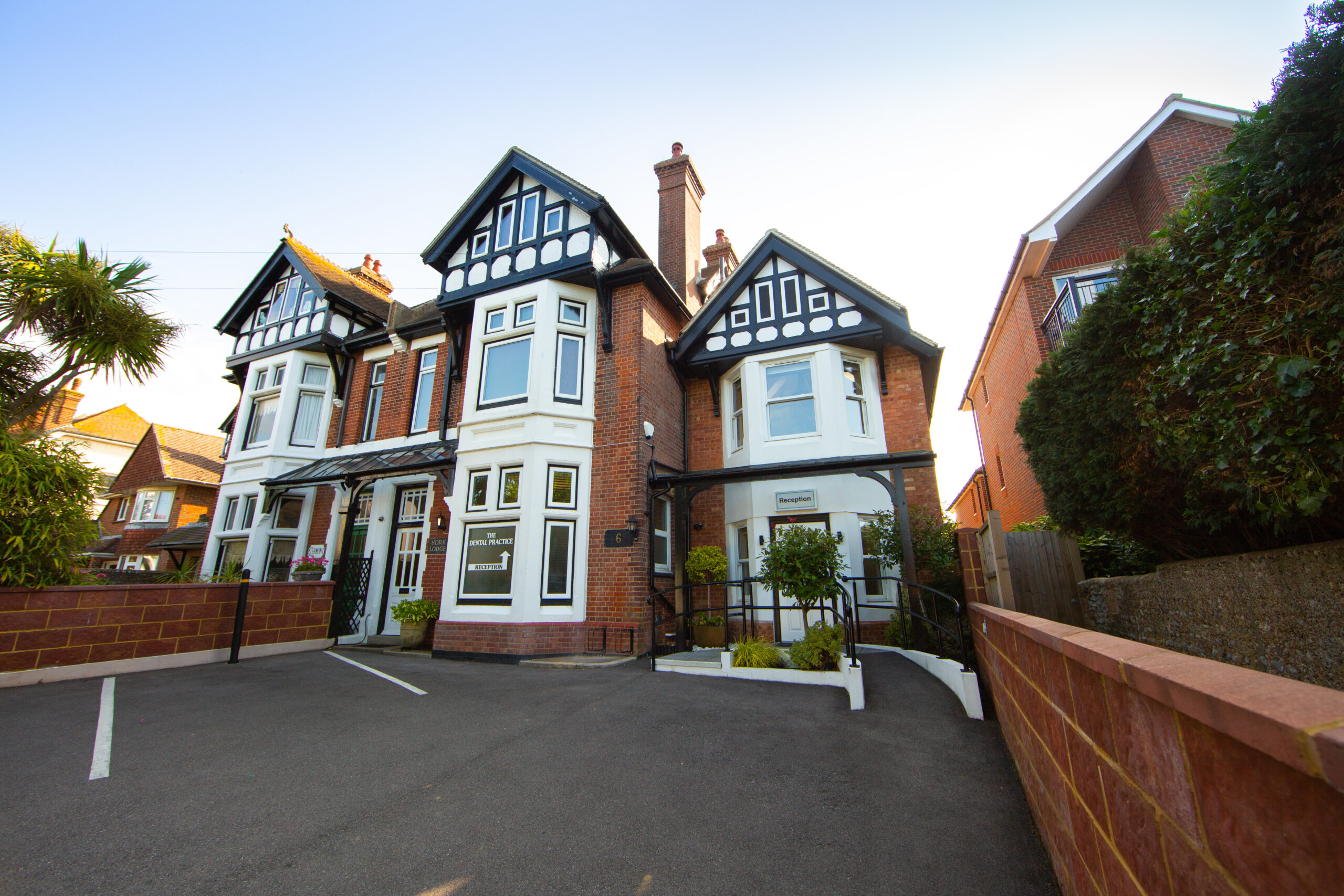
When we experience jaw pain, it is often because the masseter muscles, the powerful muscles we use for chewing, have become overactive or are working overtime due to unconscious clenching. Botox® acts as a targeted muscle relaxant. When small amounts are precisely injected into the jaw muscles, it blocks the signals that cause intense, involuntary contractions. By lowering the action of these muscle movements, the jaw can finally relax, which reduces strain on the joint and helps the surrounding facial tissues heal from constant tension. To see if this relaxation technique is right for your symptoms, we recommend booking a consultation with our dentist.
Botox® is primarily used to manage symptoms associated with Bruxism and Temporomandibular Joint (TMJ) disorders. Bruxism involves the habitual grinding or clenching of teeth, which can lead to worn-down enamel and cracked fillings. TMJ disorders refer to problems with the jaw joint itself and the complex group of muscles that control it, often causing clicking, popping, or a locked sensation. By using Botox® for jaw pain, we can address the muscular component of these conditions, providing relief from the headaches and facial soreness they cause. Because these conditions are complex, it is important to book a consultation with our dental team for a full diagnostic exam.
While the injection process itself is very quick, the effects on the muscle are not instantaneous. Most patients begin to feel a softening of the jaw tension within 3 to 5 days after their appointment. However, the peak relief, where the muscles feel significantly more relaxed and the pain has diminished, usually occurs about 2 weeks after treatment. During this time, you’ll likely notice you are waking up with less stiffness and fewer tension-related headaches. To get a personalised timeline based on the strength of your jaw muscles, please book a consultation with the dentist.
Botox® provides significant but temporary relief, typically lasting between 3 and 6 months. Over time, the body naturally breaks down the protein, and the muscle gradually regains its full strength. For many patients, regular maintenance visits help keep the jaw muscles in a relaxed state and prevent the return of chronic pain. In some cases, using Botox® alongside other treatments, like a custom-made mouthguard, can help “retrain” the muscles over the long term. To create a long-term management plan tailored to your needs, the first step is to book a consultation with our dentist.
01273 452 947
info@shorehamdentist.co.uk
The Dental Practice
Mariner Point,
81 Brighton Road,
Shoreham-by-Sea,
West Sussex,
BN43 6DG
Areas we serve include: Shoreham, Worthing, Steyning and surrounding areas
We are wheelchair accessible and have car parking spaces on site.
Get directions


